How AI Helped a Manufacturing Company Reduce Costs by 35%
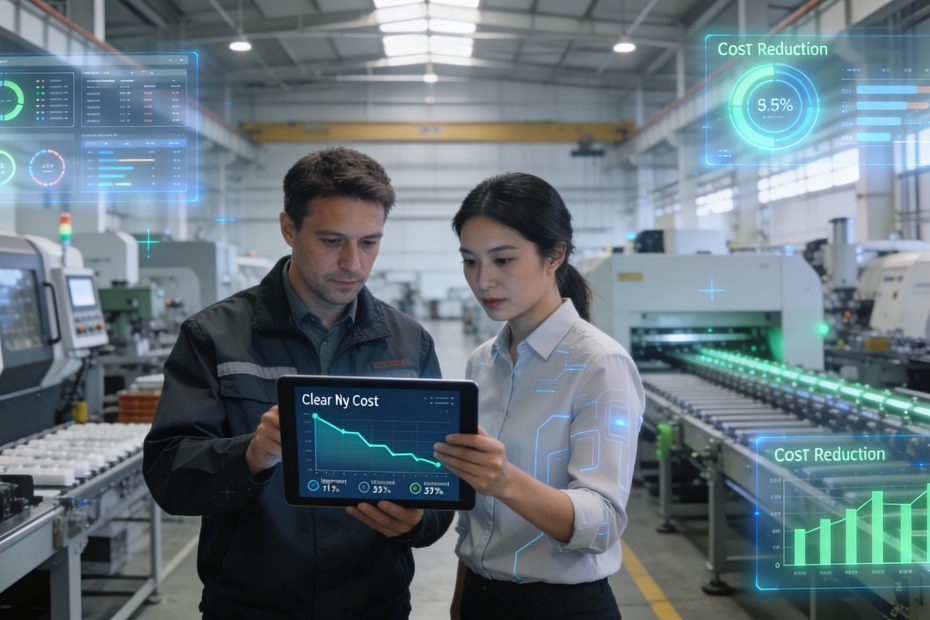
In 2025, a mid-sized manufacturing company facing rising operational expenses and razor-thin margins turned to artificial intelligence to regain control of its costs. Within twelve months, the organization achieved a 35% reduction in key cost areas by combining predictive maintenance, intelligent production planning, and data-driven quality control. What began as a targeted pilot quickly evolved into a strategic transformation of the entire factory floor.
Instead of relying on static reports and manual interventions, the company deployed AI models to continuously monitor machine performance, forecast demand, and optimize scheduling in real time. These systems identified patterns that human teams routinely missed—such as subtle signals of impending equipment failure, recurring bottlenecks, and unnecessary energy consumption. By addressing these issues proactively, the business significantly reduced unplanned downtime, scrap rates, and overtime costs.
This post walks through the full journey: the challenges the manufacturer was facing, the AI solutions implemented, and the specific levers that drove the 35% cost reduction. It also outlines the lessons learned and a practical framework you can apply in your own manufacturing environment—whether you are just exploring AI or ready to scale existing initiatives.
[Click on the image to view post]